
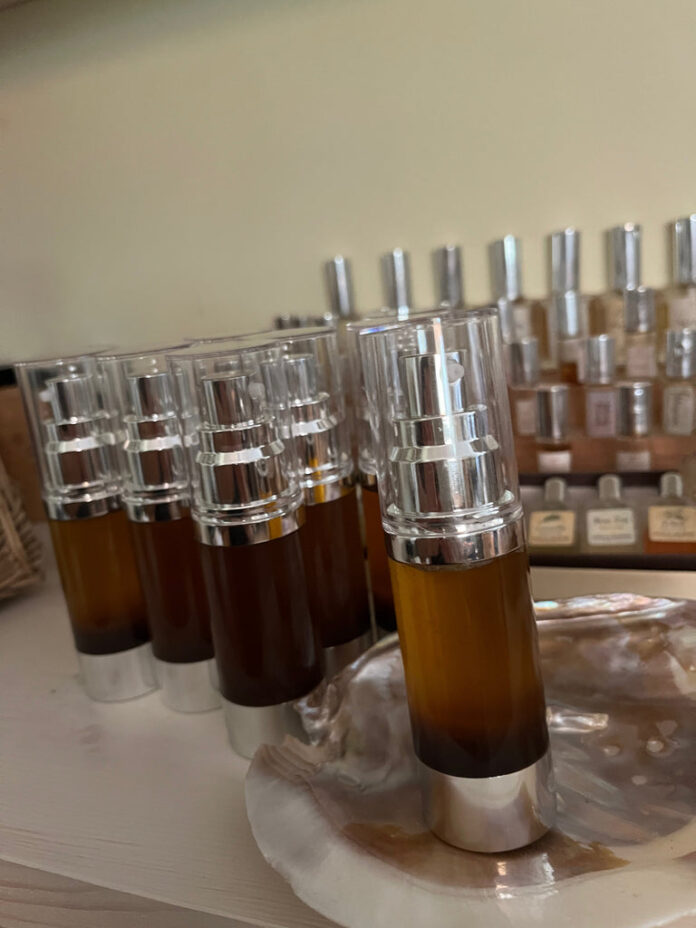

Hair Care, Naturally
Hair care product are something that I have always had a love and hate relationship with. On one hand, who doesn’t like the feeling of a flowing hair, soft and shiny and fun to run fingers through or feel it caressing one’s cheeks after it has been recently washed?
On the other hand, every shampoo and conditioner on the planet has given me terrible rashes on the scalp.
I’ve been trying different approaches to natural haircare. First I was using my own handmade, natural soaps instead of shampoo bar. This worked well in Canada, with its soft water. But once I moved to Israel, the hard water left the hair feeling dry at best, or tacky at its worst. I tried all kinds of alternative conditioners to fix the problem, such as using an apple cider vinegar or sage or rosemary tea as a rinse. But nothing really worked that well. So I gave in and went back to using “natural” shampoos and conditioners, washing only once a week, but still suffering the itchy scalp that resulted from the surfactants that these include. No matter how “natural” they are, they still function as surfactants – stripping the hair and scalp of their protective layers of sebum or natural oils/waxes, and leaving a false feeling of sleekness that has nothing to do with nourishment. The hair was just wasting away and my scalp was never happy.
After a while, I decided to try something new and get completely weaned off shampooing, once and for all. I did some research and found out what’s best for my hair type. I learned that the fear of oils in the scalp has more to do with oil distribution and less to do with the oiliness itself. It changed completely the way I thought of hair care and grooming. And as much as it is unpopular, I realized that grooming the hair is more important than the products you put in there. In other words: It’s better to invest the time in proper grooming than any products, really.
I will tell you what I did to get my hair balanced again, and share a little bit of my process. A huge piece of it is of course the mental/emotional/cultural block of feeling clean even without using any products on one’s hair. This practice of shampooing with fragrant, lathery surfactants is something that has become so deeply engrained in us culturally, and has only one advantage — creating hair and scalp problems that will make us purchase more and more products that make the problems feel less, but never solve it… Dandruff treatments, split hair ends, etc., etc. are never fixed by the products we buy to treat these issues. They just make the symptoms a little less noticeable, and make us perpetual users of such products. It’s an ongoing hair addiction that the cosmetic/haircare industry both creates and maintains. So if you no longer want to be addicted to shampoo and conditioner, if you’re open minded enough to try something new — read on.
The process is similar to weaning from addiction, it is very uncomfortable at first, the rewards are not felt immediately, on the contrary. So the first step must be commitment to the process and to see it through. It will take a few weeks for the hair and scalp to “detox” from all the chemicals, and to counterbalance that, the scalp will produce a whole lot more oils to regain its balance again. This is the step in which most people break down and go back to shampooing as they were used to. It can take anywhere between 2-8 weeks. Perhaps even longer, depending greatly on its own history and condition. For me it took about a month. But last time I tried to go shampoo-free it took me two months before the hair stopped feeling very oily. In hindsight, this was because I was doing it all wrong… So now I will tell you how to do it the right way, which will not only shorten the painful, greasy hair process, but also result in hair that you could really be proud of, and with using minimal outside help for your hair. I won’t even call them “haircare products” because we are talking about simple, pure and natural ingredients such as clay, botanical decoctions and vegetable oils.
My first step was to
First of all, I literally washed my hair with nothing but water. And whenever it became too greasy, and by that I mean unbearably greasy, I was doing a clay rinse (more on that later). But even before that, I would give it at least an hour of oil treatment, using oils that are fast absorbing and beneficial for dry hair, such as avocado, argan, sesame and shea butter.
It may seem counter intuitive, but this is to reduce the over drying that happens from washing the hair, even in water alone. And especially with clay, which absorbs any excess oils and may lead to over dryness too if used incorrectly or too frequently.
Scalp massage:
Create a daily ritual, preferably before bedtime, of scalp massage and preening. Scalp massage can be done using your bare fingers, or using a designated brush. I usually do the scalp massage with a brush only when washing my hair. And the massage with my bare fingers as a daily routine (or ritual) prior to preening.
Preening:
Grooming the hair in a certain way that helps disperse the scalp oils and bring them to the ends of the hair. The purpose of preening is threefold:
1) Substitutes brushing their hair yet without creating frizz (especially important in curly and dry hair).
2) Reduce the oiliness of the scalp by moving it to the entire hair.
3) Delivering the natural oils and waxes the scalp produces to the ends of the hair, in order to nourish it and prevent breaking.
Preening is done by using the fingers, and it would make sense to perform it following the scalp massage (especially when done with bare fingers). Your fingers now already have some of the scalp oil, simply pinch the hair and follow the strands to the end. This movement is akin to birds grooming their feat her using their beaks, or other animals natural grooming rituals. When they lick themselves they don’t only clean their fur but also distribute the oils thoroughly, which creates a protective layer and makes the fur shiny.
Hair brushing:
If you have a curly hair, it would be best to reduce hair brushing to a minimum, only for detangling purposes. There are some inconsistencies about whether you should brush the hair when wet or dry, some say wet hair is more vulnerable for breakage; while others say when the hair is wet, it is easier to detangle. Do whats best for your hair and that results in minimal hair loss (which would be visible on the brush). Another option is to brush the hair only after applying an oil mask. This way it will be less tangly when wet, and you will only need minimal grooming after washing it.