
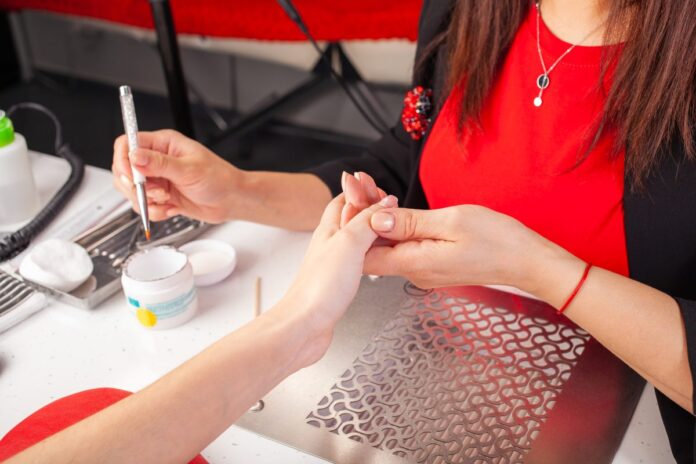

Every nail technician has seen it: a perfectly sculpted set loses its charm within days because the shape begins to distort. Nail shape maintenance is more than cosmetic—it’s a key factor in structural integrity, client satisfaction, and repeat bookings.
Neglecting proper maintenance leads to common issues like lifting, chipping, and distortion, which can compromise your work and reduce client trust. For salon owners and beauty professionals, teaching clients the right nail aftercare ensures your labor-intensive sets remain flawless for longer, creating happier clients and higher retention rates.
Maintaining the shape also allows you to showcase your skill, whether the client prefers gel, acrylic, or polygel nails. A set that lasts is proof of professional mastery.
Why Nail Shape Maintenance Matters
Shape maintenance serves both aesthetic and functional purposes. Here’s why it matters:
- Even Stress Distribution: Proper shape prevents weak points at the free edge or apex, reducing cracks and breakage.
- Extended Nail Longevity: Sets that are regularly maintained last longer, saving clients money and time.
- Client Retention: Educated clients are more likely to return when they see their nails remain flawless.
- Professional Reputation: A salon that consistently delivers durable, well-shaped nails earns trust and referrals.
Different nail types react differently under stress. Understanding the subtle differences between gel, acrylic, and polygel helps you customize maintenance routines for each client.

Common Nail Problems and How to Fix Them
Understanding the most common issues that compromise nail sets—and applying targeted professional solutions—ensures consistent shape, strength, and client satisfaction:
| Problem | Cause | Professional Solution |
|---|---|---|
| Lifting | Weak adhesion, improper prep, client habits | Proper dehydration, base coat application, rebalance stress points |
| Chipping | Thin apex, incorrect filing, frequent hand use | Reinforce tips, apply protective top coats, educate clients on gentle handling |
| Distortion | Over-length, uneven filing, weak shape | Maintain consistent shape during fills, avoid aggressive buffing, schedule regular touch-ups |
| Breakage | Overextension, client habits | Reduce free edge length, reinforce apex, provide shape-specific aftercare instructions |
| Peeling | Poor product adhesion or moisture contamination | Ensure proper nail prep, apply primer when necessary, educate on hand hydration |
This table shows that proactive nail set care is preventive, not just reactive. It also highlights the importance of integrating professional nail care into client routines.

Golden Rules for Nail Shape Maintenance
To help your clients extend nail longevity, incorporate these golden rules into your service and client education:
- Schedule Regular Fills: Plan appointments before natural growth causes stress at the free edge.
- Educate on Daily Care: Share tips on hydration, gentle use, and avoiding harsh chemicals.
- Shape-Specific Techniques: Round, square, almond, coffin—each shape requires different stress distribution strategies.
- Moisturize Cuticles Daily: Healthy cuticles support the nail plate and reduce lifting.
- Seal the Edge: Always top-coat edges to lock in strength and shine.
- Monitor Client Habits: Activities like typing, cleaning, or using chemicals can damage nails—provide custom advice.
- Maintain Apex Strength: For acrylic and polygel, the apex is the primary stress point—focus maintenance here.
These rules ensure that your sets are durable, maintain their shape, and look professional for the full lifespan.
Step-by-Step Maintenance Routine for Gel, Acrylic, and Polygel

Gel Nails
- Examine growth and stress points.
- Lightly buff to remove shine; avoid thinning apex.
- Apply top coat or reinforcement layer if needed.
- Educate clients on gentle hand use and hydration.

Acrylic Nails
- Identify growth and potential lifting areas.
- File and reshape carefully, maintaining apex integrity.
- Rebalance stress points with additional acrylic if necessary.
- Seal edges with top coat to prevent chipping.

Polygel Nails
- Examine the apex and overall shape.
- Light filing to maintain symmetry without compromising thickness.
- Apply top coat to strengthen stress points.
- Recommend cuticle oil and moisturizing cream for flexibility.
A structured maintenance routine ensures the set remains strong and visually flawless throughout its intended lifespan.
Expert Nail Maintenance Tips
- Use the Right Tools: High-quality files, buffers, and brushes prevent damage.
- Observe Growth Patterns: Client nails grow at different rates; tailor maintenance schedules individually.
- Hydration Matters: Dry nails are prone to lifting and cracking—cuticle oil is your ally.
- Educate Clients on Environmental Effects: Water, chemicals, and heat can impact set durability.
- Document Maintenance: Track shape, length, and previous issues to refine future services.

FAQs
Acrylics and polygel every 2–3 weeks, gels every 2–4 weeks, depending on growth and wear.
Absolutely. Over-filing thins the apex and compromises the entire set, causing distortion or early chipping.
Yes. Gel benefits from gentle buffing and top coat refreshes, acrylic needs careful rebalance, and polygel requires apex reinforcement while maintaining flexibility.
Provide visual guides, a short printed sheet, or a digital handout covering hydration, gentle handling, and chemical precautions.
Maintain a balanced apex, avoid overly thin free edges, and advise clients to use gloves for chores and limit tapping or scraping with nails.
Yes. Excessive water exposure, typing, cleaning, or harsh chemicals can weaken nails. Providing personalized nail aftercare guidance helps prevent these issues.
Yes. Strengthening top coats, cuticle oils, and hydration creams all help maintain flexibility, prevent lifting, and protect against everyday wear.