
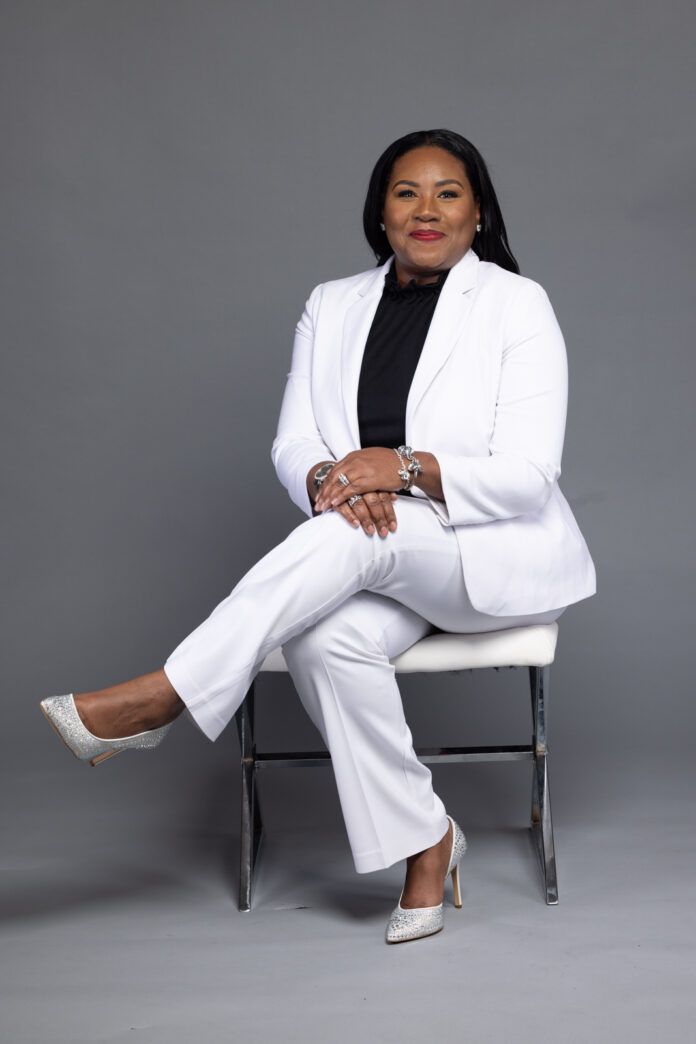

Interviewed by Charron Monaye
For millions of women, lupus is more than a diagnosis—it’s a daily journey that requires resilience, adaptation, and an unwavering commitment to self-care. While public figures such as Toni Braxton and Muni Long have helped bring greater awareness to the autoimmune disease, many women continue to navigate its challenges quietly, often balancing careers, families, and personal aspirations while managing an unpredictable chronic illness.
Dr. LaTonya Bias understands that journey firsthand. A licensed professional with more than 30 years of experience, author, founder, and dedicated lupus advocate, Dr. Bias has transformed her personal health challenges into a mission of education, empowerment, and support for others. Drawing from both professional expertise and lived experience, she has become a trusted voice for women seeking practical strategies to thrive while living with lupus.
With nearly 1.5 million Americans affected by lupus, approximately 90 percent of whom are women, and Black women facing a disproportionately higher risk, the need for awareness, advocacy, and accessible resources has never been greater. Through her work, Dr. Bias is helping women redefine what it means to live well with a chronic illness, emphasizing wellness, self-advocacy, and the importance of maintaining quality of life despite the challenges.
In this conversation with Hype Hair, Dr. Bias shares her personal journey, the lessons she’s learned as both a healthcare professional and patient, and her insights on how women can confidently navigate life, career, and wellness while living with lupus.
HH: Lupus is often called an “silent disease” because many of its symptoms aren’t immediately apparent. What do you wish more people understood about the realities of living with lupus every day?
Dr. LaTonya Bias: One of the biggest misconceptions about lupus is that if someone looks healthy, they must feel healthy. Lupus is an invisible illness that can cause chronic fatigue, joint pain, inflammation, brain fog, and organ complications that aren’t always visible to others. Every day can be different. Some days I can accomplish a great deal, while other days simply getting out of bed is a challenge. I wish people understood that living with lupus requires constant adjustments, patience, and resilience, and that support and compassion can make a tremendous difference.
HH: Hair loss is often one of the most visible symptoms women with lupus experience. What are some of the biggest misconceptions about lupus-related hair loss, and what should women know about protecting their hair and scalp health?
Dr. LaTonya Bias: Many people assume lupus-related hair loss is simply a cosmetic issue, but it can be emotionally devastating because hair is closely tied to identity and self-confidence. Another misconception is that all hair loss is permanent. While some forms of lupus-related hair loss can lead to scarring, early intervention and proper scalp care can help protect and restore hair growth in many cases. Women should focus on scalp health first, seek guidance from qualified professionals, avoid harsh styling practices, manage stress, and work closely with their healthcare providers to address underlying inflammation.
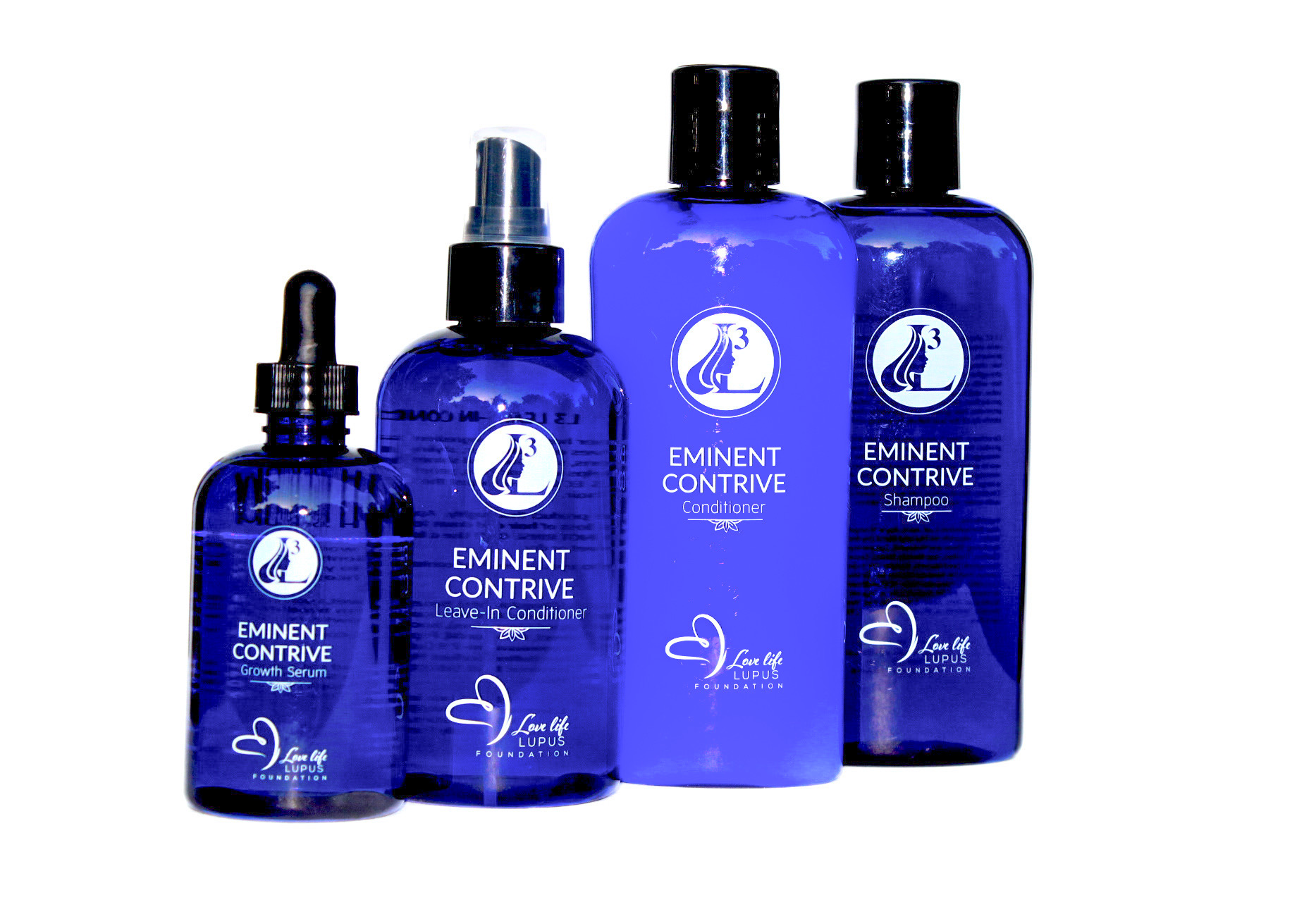
HH: As both a medical professional and someone living with lupus, what challenges did you face balancing your health while maintaining your career, and what lessons did those experiences teach you?
Dr. LaTonya Bias: One of the hardest lessons I learned was that I couldn’t pour from an empty cup. Like many women, I was accustomed to pushing through pain and fatigue to meet professional obligations. Eventually, lupus taught me the importance of listening to my body, setting boundaries, and prioritizing self-care without guilt. My experiences taught me that success isn’t about doing everything, it’s about doing what matters most while protecting my health and well-being.
HH: Black women are disproportionately affected by lupus. Why do you believe awareness and education within our communities are so important, and what conversations are still missing?
Dr. LaTonya Bias: Black women are diagnosed with lupus at higher rates and often experience more severe symptoms, yet many remain undiagnosed or misdiagnosed for years. Awareness is critical because early diagnosis can improve outcomes and quality of life. We also need more conversations about the emotional impact of lupus, access to healthcare, mental health support, and the connection between autoimmune conditions and hair loss. Education empowers women to advocate for themselves and seek help sooner.
HH: For many women, hair is closely tied to identity and self-expression. How can women cope with the emotional effects of hair thinning, scalp inflammation, and other lupus-related beauty concerns while preserving their sense of self?
Dr. LaTonya Bias: The first step is recognizing that your value is not defined by your hair. Hair loss can be painful, and it’s important to acknowledge those feelings rather than dismiss them. I encourage women to seek support, connect with others who understand their journey, and focus on what they can control. Self-care, healthy scalp practices, and finding styles that make them feel confident can help. Most importantly, remember that beauty begins with self-acceptance and self-compassion.
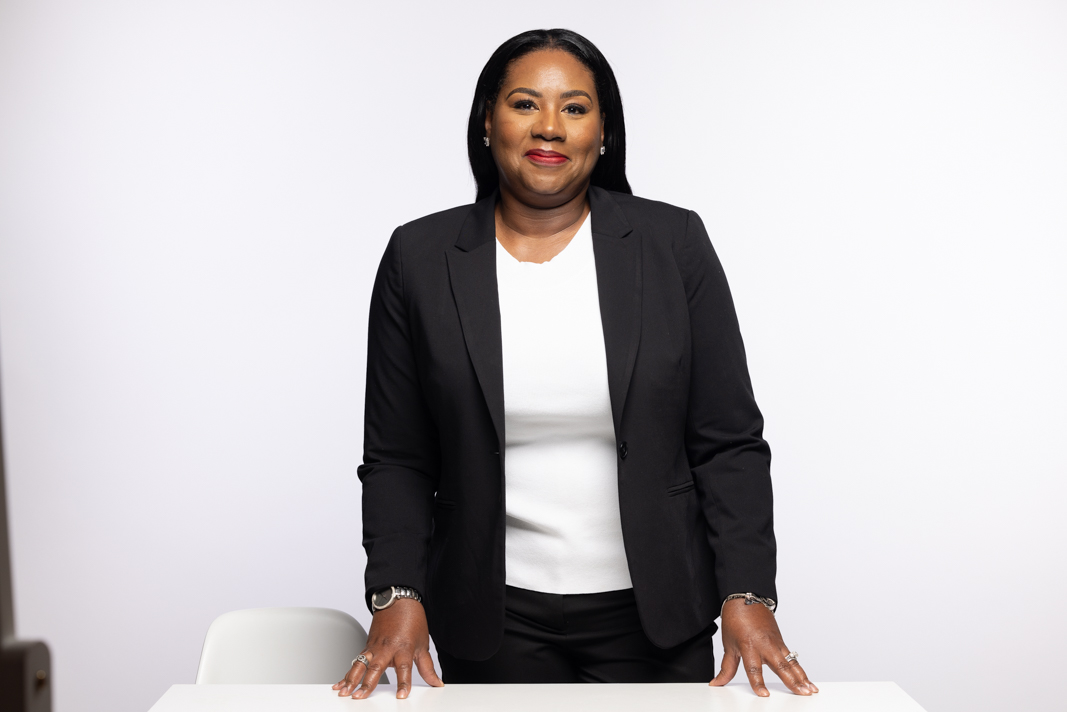
HH: You transformed your personal health struggle into solutions that are helping other women. What inspired you to develop scalp health treatments and become an advocate for women navigating lupus-related hair challenges?
Dr. LaTonya Bias: My own journey with lupus-related hair loss inspired me. I experienced the frustration of searching for products and solutions that addressed not only hair growth but also scalp health. When I couldn’t find what I needed, I decided to create it. That journey led to the development of L3 Eminent Contrive and strengthened my commitment to educating and empowering women. I wanted other women to know they are not alone and that there is hope beyond the diagnosis.
HH: What are your top ‘Do’s and Don’ts’ for women who have recently been diagnosed and are learning how to thrive while managing a chronic illness?
Dr. LaTonya Bias:
Do’s:
- Educate yourself about lupus and your treatment options.
- Build a strong healthcare team.
- Prioritize rest, nutrition, hydration, and stress management.
- Listen to your body and honor your limits.
- Find a support system that understands your journey.
Don’ts:
- Don’t ignore symptoms or delay medical care.
- Don’t compare your journey to someone else’s.
- Don’t feel guilty for resting when needed.
- Don’t believe lupus defines your future.
- Don’t be afraid to ask for help.
HH: For women who have recently received a lupus diagnosis and may be feeling uncertain about the future, what message of encouragement and empowerment would you like to share?
Dr. LaTonya Bias: A lupus diagnosis is not the end of your story; it is the beginning of a new chapter. There will be challenges, but there will also be victories. Give yourself grace, learn to advocate for your health, and remember that you are stronger than you realize. Lupus may be part of your journey, but it does not define who you are or what you can accomplish.
HH: Looking ahead, what changes would you like to see in how lupus is discussed, diagnosed, and supported, particularly for women who often put everyone else’s needs before their own?
Dr. LaTonya Bias: I would like to see earlier diagnosis, increased research funding, and greater awareness of the unique ways lupus affects women, especially Black women. I also hope to see more conversations about mental health, hair loss, and quality of life, not just symptom management. Most importantly, I want women to feel empowered to prioritize their own health without guilt. When women take care of themselves, they are better able to care for the people and communities they love.