
Facial hair removal is one of the foundational services in a beauty professional’s repertoire. While it may seem routine, the face is a highly sensitive and complex area that requires thoughtful technique and personalized care. From the coarse strands of the eyebrows to the fine peach fuzz along the cheeks, every zone demands a strategic approach.
When performed correctly, facial hair removal not only enhances a client’s appearance but also boosts their comfort and confidence. However, without proper knowledge, treatments can lead to irritation, discomfort, or even long-term skin issues.
Why Different Areas Require Different Techniques
To begin, it’s essential to understand what type of hair you’re dealing with. The face is covered with two main types:
-
Vellus Hair: Often called “peach fuzz,” these are soft, fine hairs that cover much of the face. While subtle, removing them gives the skin a smoother and more radiant appearance.
-
Terminal Hair: These thicker, darker hairs grow in areas like the eyebrows, upper lip, chin, and jawline. They require more robust techniques to remove facial hair effectively.
Additionally, not all facial skin is the same. Here’s how to approach each area:
-
Eyebrows: This zone has thinner skin and coarse hair. Precision is key to avoid irritation or over-removal.
-
Upper Lip: The skin is delicate, and the fine hair can be easily irritated. Technique and product choice matter here.
-
Chin & Jawline: These areas may have coarser, hormonally influenced hair. They are prone to ingrown hairs, so extra aftercare is required.
-
Cheeks & Sideburns: Typically covered in vellus hair, these zones need gentle facial hair removal methods to prevent redness or reaction.
Understanding these nuances allows you to customize treatments and provide results that feel as good as they look.
Choose the Best Facial Hair Removal Method for Each Client
Now that you’ve assessed the hair type and area, the next step is selecting the right method to remove facial hair. No one-size-fits-all solution exists—each method has its strengths and ideal use cases.
1. Waxing (The Salon Standard)
Waxing is often a go-to for professionals due to its long-lasting results and exfoliating benefits. Here’s how to choose between wax types:
-
Hard Wax: Best for small, sensitive areas like the upper lip, chin, and brows. It adheres to the hair rather than the skin, minimizing discomfort.
-
Soft Wax: Ideal for larger or less sensitive areas like the cheeks or neck. However, it can pull at the skin, so apply with care.
2. Sugaring (A Natural Alternative)
Made from sugar, lemon, and water, this natural paste removes hair in the direction of growth. It’s especially helpful for sensitive skin clients or those prone to irritation. Bonus: it’s eco-friendly and easy to clean up.
3. Threading (Ideal for Detail Work)
Threading provides precise control, making it ideal for eyebrow shaping and upper lip hair. Since it doesn’t involve heat or chemicals, it’s great for sensitive or reactive skin types. A trusted way to remove facial hair with precision.
4. Depilatory Creams (Use with Caution)
While pain-free, these creams use strong chemicals that can irritate delicate facial skin. They’re generally not favored in professional settings, but may be appropriate for certain clients if patch-tested beforehand.
5. Laser Hair Removal and Electrolysis (Long-Term Solutions)
For clients seeking long-term or permanent facial hair removal:
-
Laser Hair Removal targets melanin in the follicle. It’s effective for darker hair on lighter skin tones.
-
Electrolysis destroys individual follicles with electrical current and works on all hair colors and types. It’s best for small, stubborn areas due to the time involved.
Pro Tip: Always perform a skin and medical history check before using chemical-based or light-based systems.
Step-by-Step Facial Waxing Process
Once the right technique is selected, successful facial waxing comes down to execution, hygiene and communication. Follow this sequence to ensure a safe and effective session:
Step 1: Client Consultation
Ask about:
-
Allergies and sensitivities
-
Skin medications (e.g., Retin-A, Accutane)
-
Recent facial treatments (chemical peels, microneedling)
Avoid waxing on damaged, sunburned, or compromised skin.
Step 2: Skin Prep
Clean the skin with a gentle, alcohol-free cleanser. Apply a fine layer of talc or cornstarch powder to reduce moisture and help the wax adhere. For best results, clients should exfoliate 24–48 hours beforehand, but not on the same day.
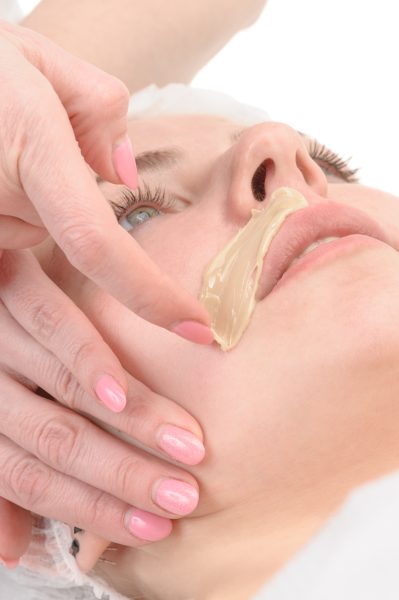
Step 3: Wax Application
Warm the wax to a skin-safe temperature (test on your wrist).
Apply wax in the direction of hair growth using clean, disposable spatulas. Choose hard wax for sensitive zones and soft wax for broader areas.
Step 4: Wax Removal
Hold the skin taut and swiftly pull the wax against hair growth, keeping your hand parallel to the skin to minimize trauma.
Step 5: Post-Wax Calming
Apply soothing agents like aloe vera, chamomile, or calendula to calm the skin and reduce redness.
Step 6: Aftercare Advice
Share these client care tips:
-
Avoid hot water, sun exposure, and makeup for 24–48 hours
-
Use gentle, fragrance-free moisturizers
-
Begin light exfoliation after 2–3 days to avoid ingrown hairs
Important Contraindications to Keep in Mind
Even skilled waxing can go wrong without proper screening. Never wax clients with:
-
Active acne, eczema, psoriasis, or open wounds
-
Recent chemical peels or microdermabrasion
-
Current use of retinoids or blood thinners
-
History of skin sensitivities to waxing products
Always do a patch test before trying a new wax or method.
Simple Ways to Improve Client Comfort and Build Loyalty
To elevate your service, consider these comfort-focused tips:
-
Use pre-wax oils to create a barrier for ultra-sensitive clients
-
Offer numbing cream as an optional add-on (with proper consent)
-
Avoid waxing during menstruation due to heightened sensitivity
-
Always wear gloves and use disposable tools to maintain hygiene
-
Suggest take-home aftercare products with instructions and sample products
Trending Tech in Facial Hair Removal
Today’s market is evolving quickly. Here’s what’s trending:
-
IPL (Intense Pulsed Light): A growing alternative to laser, IPL is effective for many skin types and requires less downtime.
-
At-Home Devices: Many clients now inquire about home-use laser devices. Educate them on safe use and limitations.
-
Hybrid Waxing Formulas: New waxes are emerging that combine the benefits of both soft and hard wax—offering flexibility and reduced irritation.
Educating Clients = Building Trust
Many clients are nervous about facial hair removal—especially first-timers. Educate them throughout the process. Explain:
-
Why hair should be ¼ inch long before waxing
-
That mild redness is normal and fades quickly
-
How consistent appointments every 3–6 weeks help weaken hair regrowth over time
When clients feel informed, they feel empowered—and that builds loyalty.
FAQs
Q: How long does facial waxing last?
A: Typically 3–4 weeks, depending on individual hair growth cycles.
Q: Is facial waxing safe for sensitive skin?
A: Yes, if proper products and techniques are used. Hard wax and sugaring are preferred.
Q: Will waxing make facial hair grow back thicker?
A: No. In fact, over time, repeated waxing weakens the follicle and can lead to finer hair.