
Highlights are never just highlights. There are seemingly countless ways to lighten and brighten hair without dyeing your whole head. And while you know what you like when you see it, it can feel impossible to put it into words once you’re seated in the salon chair. Balayage? Foilayage? Babylights? Midlights? How are you supposed to know what to ask for when the differences are so subtle, and the looks keep getting rebranded with trendy new words?
Thankfully, as a client, you don’t need to take a Duolingo course in highlight terminology to get what you want. An experienced and talented colorist can get you where you want to go if you come equipped with a few photos and a general understanding of the process.
“It’s the stylist’s job to translate what the client wants into the right approach, which is why consultations and asking the right questions are so important,” says Sean Michael, owner of Salon Beau in Andover, Massachusetts. “Bringing in photos is especially helpful. It gives us a clear visual so we can align on the end result and choose the best technique to get there.”
But if you want to give yourself a vocabulary advantage, that’s where we come in. First things first: There are technical terms and there are visual terms. Let’s talk technique first. Jess Gonzalez, lead colorist at Flore Los Angeles, says “classic foil work applied from root to ends with clean, consistent sectioning” is used to achieve traditional highlights. She continues, “Balayage, by contrast, is hand-painted to create a softer, more sun-kissed effect, while foilayage combines the two: hand-painted placement inside foils to achieve that diffused look with added lift.”
These techniques are used to achieve some of the other effects, like midlights, babylights, chunky highlights, and ombré, that refer more to the visual outcome. “They give clients a language to describe how blended, dimensional, or high-contrast they want their color to feel,” says Gonzalez. “At the end of the day, it’s all a variation of placement, saturation, and how lived-in or refined the result is.”
Read on for how to interpret what different highlight lingo means.
Traditional highlights
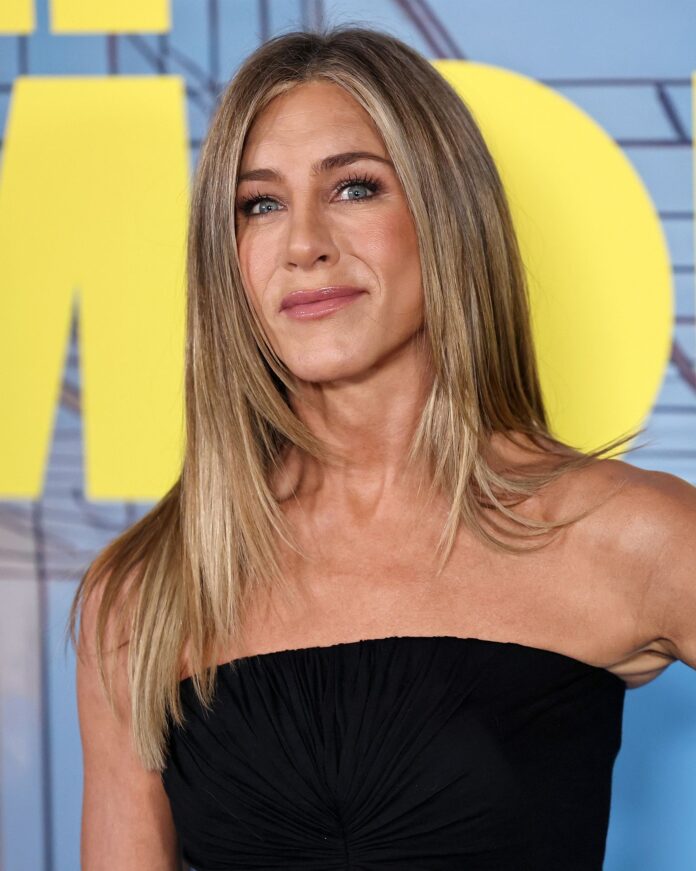
“Traditional highlights create brightness from root to ends throughout the head,” says Alexis Thurston, founder and chief product officer of Danger Jones hair color. Think: the classic, polished dimension we see on Jennifer Aniston.
Another great example is Jennifer Garner, on whom Tracey Cunningham, colorist and Schwarzkopf Professional US creative director of color and technique, used ultrafine, controlled sections of foils paired with thoughtful toning to create a result that feels soft, seamless, and elevated. “Traditional highlights have really made a return, especially with a focus on precision foiling,” Cunningham tells Allure. “It’s one of the most effective ways to brighten the hair while still maintaining contrast and dimension.”
Photo: Getty Images

Photo: Getty Images