
There are ingredients in perfumery that whisper of sunlit orchards or velvety roses. And then there are those that lean toward the mysterious – herbs with a wild, almost dangerous beauty. Among them, few are as intriguing as artemisia, wormwood and the evocative idea of absinthe.
These notes sit firmly in the realm of aromatic, bitter-green perfumery. They bring edge, intrigue and a certain poetic darkness to a fragrance composition – a touch of the untamed.
Artemisia: The Bitter Green Muse
Artemisia is not a single plant but a whole botanical family of aromatic herbs. In perfumery, the oil most commonly comes from species related to wormwood, carrying a distinctive scent profile: intensely green, slightly camphoraceous, herbal and dry.
Perfumers prize artemisia for its ability to add texture and lift. Used sparingly, it can brighten a citrus opening or sharpen an aromatic fougère. In larger doses, it becomes more assertive – bitter, metallic, and bracingly herbal.
The effect can feel almost cinematic. Artemisia evokes windswept hillsides, crushed leaves underfoot, or the cool bite of alpine air. It is particularly beloved in fragrances that aim for an aromatic or vintage character, where its slightly medicinal edge gives complexity and depth.
Wormwood: Darker, Wilder
Wormwood – botanically Artemisia absinthium – is perhaps the most famous member of the artemisia family. Historically used in herbal medicine and famously associated with absinthe, wormwood carries an even more distinctive aroma.
In fragrance form, wormwood is sharp, bitter and intensely aromatic, with hints of hay, herbs and a faintly smoky dryness. It sits somewhere between green and woody notes, making it surprisingly versatile.
Perfumers often use wormwood in:
-
Aromatic fougères, where it sharpens lavender and moss
-
Woody compositions, where it adds a dry herbal twist
-
Oriental fragrances, where bitterness balances sweetness
What makes wormwood so compelling is its tension. It is never pretty in the conventional sense; instead, it feels intellectual, mysterious and slightly rebellious.
The Absinthe Effect
Absinthe itself is not a single ingredient in perfumery but rather an olfactory idea. The legendary spirit – distilled with wormwood, anise and herbs – became famous in 19th-century Paris, inspiring artists, writers and a reputation for hallucinations and bohemian decadence.
In fragrance, “absinthe” accords typically combine notes such as:
The result is a scent that feels cool, aromatic and faintly intoxicating – a green haze rather than a literal drink.
Absinthe accords often appear in modern niche perfumery, where perfumers explore darker herbal textures and unconventional openings. They bring an immediate sense of intrigue: a whisper of Parisian cafés, smoky rooms and artistic rebellion.
Why Perfumers Love Bitter Notes
At first glance, bitter herbs might seem challenging in fragrance. Yet they serve a vital role in composition.
Sweet florals, creamy woods and amber notes dominate many perfumes. Bitter ingredients like artemisia and wormwood act as contrast and balance. They cut through sweetness, create structure and keep a fragrance feeling sophisticated rather than sugary.
They also add naturalism. Many plants in the wild have bitter, aromatic facets, so these notes can make a perfume feel more lifelike and atmospheric.
A Modern Revival
Today, herbal notes are experiencing something of a renaissance. As fragrance lovers seek scents that feel distinctive and characterful, ingredients like artemisia and wormwood are returning to the spotlight.
They appear in contemporary niche creations that emphasise green, aromatic landscapes – perfumes that smell of forests, mountains and wild herbs rather than polished bouquets.
Absinthe-inspired accords, meanwhile, offer perfumers a way to play with storytelling. They evoke mood and mythology as much as scent itself.
The Green Spell
Ultimately, artemisia, wormwood and absinthe remind us that perfumery is not only about beauty – it is also about emotion, atmosphere and imagination.
Their bitterness can feel bracing, their herbal sharpness almost intoxicating. Like the legendary Green Fairy itself, these notes hover between elegance and danger, leaving a trail that is unforgettable.
And in a world of predictable sweetness, that touch of wildness is exactly what makes them so compelling.
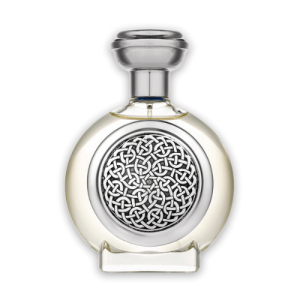
Boadicea the Victorious Monarch unfolds with regal poise: artemesia’s herbal flash, polished woods, lily of the valley. Commanding yet refined, it wears like velvet armour—confident with stately grandeur.
£225 for 100ml eau de parfum selfridges.com

Amouage Outlands with a striking flicker of wormwood—cool, bitter, windswept. Resinous shadows and mineral warmth follow, conjuring vast frontiers; austere yet magnetic, a quietly powerful scent that lingers.
£335 for 100ml essence de parfum selfridges.com

Maison Crivelli Absinthe Boréale glows with icy clarity: absinthe’s green shimmer lifted by crisp woods and luminous musk. Bracing yet elegant, it feels like northern air—cool, aromatic, quietly mesmerising.
£190 for 100ml eau de parfum harveynichols.com