
Want strong, long-lasting nail enhancements without the odor of acrylics or the fragility of soft gels? Hard gel nails provide professional technicians with the perfect solution—offering unmatched strength, durability, and versatility.
Unlike soft gels or gel polishes, hard gel cures under UV or LED lamps and cannot be removed with acetone, meaning it must be carefully filed off. For nail technicians and salon owners, mastering hard gel application ensures clients enjoy extensions and overlays that are not only strong and lightweight but also flawlessly polished.”
What Is Hard Gel? Core Concept
Hard gel is a 100% solvent-free nail enhancement product that cures permanently under professional-grade UV or LED lamps. Its name refers to its rigid filing characteristics rather than just durability. Unlike soft gels, it does not self-level and requires skilled sculpting with a brush from a pot. Its dense polymer structure resists acetone, so removal must be performed through careful filing, ensuring natural nails remain unharmed.
Key Features for Nail Technicians
- Non-Soak-Off Formula: Hard gel’s chemical structure prevents acetone penetration.
- Professional Sculpting: Requires precision to create apex, strength arches, and custom shapes.
- Curing Requirement: Must cure fully under UV or LED light for optimal hardness.


Core Properties & Characteristics
- Chemistry: Hard gel forms a dense, cross-linked polymer network that ensures maximum strength and longevity. It is available in soak-off resistant or permanent formulas, depending on professional needs.
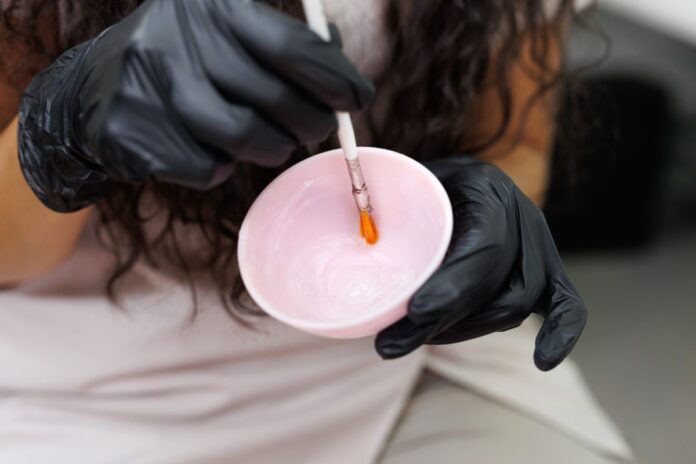
- Application: Applied directly from a pot with a brush, hard gel requires careful layering and sculpting. Its thick, non-self-leveling consistency allows technicians to build structure, correct weak nails, and create customized shapes like stiletto, coffin, or square.
- Curing: Each layer must cure fully under a compatible UV or LED lamp. Under-curing can compromise durability and increase allergy risk.
- Removal: Only professional filing (hand or electric) can safely remove hard gel. Never attempt to soak or peel off, as this damages the natural nail.
Primary Uses in Nail Enhancements
Hard gel is ideal for extending the nail beyond the natural tip using sculpting forms or tips.
Adds reinforcement and protects weak or damaged nails without adding excessive weight.
Builds apex and arch to strengthen flat or fragile nails.
Enables dramatic nail designs that hold shape, perfect for clients requesting bold styles.
Hard Gel vs Other Nail Products
| Feature | Hard Gel | Soft Gel / Gel Polish | Acrylic (Liquid & Powder) |
|---|---|---|---|
| Main Use | Extensions & strong overlays | Color manicures & thin overlays | Extensions & overlays |
| Removal | File-off only | Soaks off in acetone | File-off or soak-off |
| Odor | Odorless | Odorless | Strong monomer smell |
| Consistency | Thick, sculptable paste | Thin, self-leveling liquid | Liquid + powder |
| Curing | UV/LED only | UV/LED only | Air-dry chemical reaction |
| Flexibility | Rigid, strong hold | Flexible | Rigid, adjustable |
| Advantages | Strength, durability, lightweight, odorless | Easy soak-off, flexible | Strong, customizable |
Why Clients Choose Hard Gel
Durability & Aesthetics
- Unmatched strength for weak nails.
- Lightweight yet long-lasting.
- Odorless formula for a pleasant salon experience.
- Smooth canvas for nail art.
- Minimal damage to natural nails.
Business Advantages for Salon Owners
Higher Ticket Value & Retention
- Professional application allows premium pricing.
- Adds a high-demand service to your menu.
- Encourages repeat visits for maintenance and refills.
Best Practices for Hard Gel Application
To ensure a flawless, long-lasting result, follow these essential steps:

Nail Prep
- Cleanse the Nail Plate: Buff lightly to remove oils and surface debris. Use a dehydrator to ensure proper adhesion.
- Prime the Nail: Apply a thin layer of primer for better bonding.

Apply Hard Gel
- Layering: Use a brush to apply the first thin layer of hard gel. Sculpt and build the nail to the desired shape.
- Cure: Fully cure under a UV or LED lamp for the recommended time, typically 30-60 seconds under LED, 2 minutes under UV.

Sculpting & Building
- Apex & Arch: Build the apex to ensure strength, especially for long extensions. Ensure proper arching to prevent breakage.
- Shaping: Use a fine brush to sculpt the nail into the desired nail shape (stiletto, square, etc.). Add more layers if needed.

Final Cure & File
- Final Cure: After shaping, perform a final cure.
- Filing: File the nail to perfection, refining edges and shaping the free edge. Avoid over-filing the surface.

Polish & Finish
- Top Coat: Apply a high-gloss top coat for shine and protection. Cure again.
- Wipe Sticky Layer: If using a gel top coat, wipe off the inhibition layer for a smooth finish.
Tools You’ll Need
- Professional gel brushes.
- UV/LED curing lamp.
- File and buffer sets.
- Nail prep solutions (dehydrator, primer).
Who is Hard Gel NOT For?
While hard gel nails offer outstanding benefits, they may not be suitable for everyone. Consider these factors before recommending the service to your clients:
- Clients with Extremely Thin or Flexible Nails: Hard gel is rigid and may cause discomfort or lifting for clients whose natural nails bend too much. The lack of flexibility can lead to breakage, especially in clients with soft, weak nails.
- Clients Who Need Frequent Nail Flexibility: If a client has a lifestyle that requires frequent bending or heavy use of their hands (e.g., manual labor or athletes), soft gel or acrylics may be a better option since they offer more flexibility and movement.
- Clients Who Cannot Commit to Regular Refills: Hard gel nails require professional filing for removal, which is generally needed every 2-3 weeks. Clients who are unwilling to commit to this maintenance cycle may experience lifting or cracking if the gel is not properly maintained.

Best Hard Gels from Leading Brands
Using high-quality products ensures professional results. Some of the top hard gels trusted by nail technicians include:

IBD Building Gel Hard Gel
- Overview: Smooth, versatile gel for extensions and overlays.
- Key Features: Self-leveling, durable, ideal for sculpting.
- Performance: Medium viscosity, making it easy to control. Available in clear, pink, and white for classic French looks.
- Best For: Technicians looking for a reliable builder gel suitable for beginners and pros alike.

Gelish Hard Gel LED Nail Gel
- Overview: LED-curing formula for strong, sculpted nails.
- Key Features: Fast LED curing, smooth application, superior strength with flexibility.
- Performance: Slightly thicker consistency for better control during sculpting. Available in clear, natural, and white for versatility.
- Best For: Technicians who want speed without compromising durability.

IBD Hard Gel LED/UV Clear Gel
- Overview: Clear gel compatible with both UV and LED lamps.
- Key Features: Strong, long-lasting, perfect as a base for intricate nail art.
- Performance: Smooth viscosity for a flawless finish. Available in clear and other shades for various nail art applications.
- Best For: Nail artists creating custom designs or natural-looking extensions.
Pro Tip: Match the gel to your client’s needs—strength, clarity for nail art, or flexibility for long extensions. High-quality gels reduce lifting and provide a smoother finish.
FAQ
No. Hard gel is acetone-resistant and must be filed off by a trained nail technician.
Rebalance the apex, check proper nail prep, and ensure each layer is fully cured.
Usually 30–60 seconds per layer under LED, 2 minutes under UV. Always follow manufacturer instructions.
Light buff, cleanse with dehydrator, apply primer, and avoid skin contact.
Typically every 2–3 weeks depending on growth and activity.
Absolutely. Its smooth, dense surface is ideal for detailed designs and dramatic shapes.
Hard gel is lighter, odorless, and strong when applied correctly. Acrylic may be preferred for clients needing very flexible or highly customizable nails.